The End of an Era for Gaming Memories
Wed Jul 01 2026
The End of an Era for Gaming Memories
Sony has just made an announcement that will leave its mark on video game history: starting in 2028, no new PlayStation games will be released on disc. It's a radical decision that definitively closes the chapter of physical media opened by the very first PlayStation, and one that encourages us, as players, to reflect on our own relationship with game ownership.
Sony has just signaled the end of an era: no more PlayStation games on disc starting in 2028. It's a decision the industry has been predicting for years, but one that few expected to happen quite this soon. And it's coming from the company with perhaps the greatest legitimacy to make it, having been the very one that elevated optical discs to the pinnacle of gaming across three generations of consoles. Between undeniable convenience, our collective responsibility, and a gaming heritage that continues to fade away, this announcement deserves a closer look.
This article is an opinion piece. It reflects the views of its author alone and is intended to encourage discussion, without claiming to hold the absolute truth or to speak on behalf of the entire team.
What Sony announced
In a statement signed by Sid Shuman, Senior Director of Communications at Sony Interactive Entertainment, the news broke on July 1, 2026: the production of physical discs for all new games released on PlayStation consoles will come to an end starting in January 2028. After that date, new titles will only be available through the PlayStation Store or digital retailers.
Sony justifies this transition as a natural evolution, explaining that consumer preference for digital media has now far surpassed physical discs. The company also backed up its decision with hard numbers: during the last quarter of fiscal year 2025, 85% of all full-game sales on PS4 and PS5 were already digital.
The irony of the timing
Ironically, on the very same day Sony officially announced the end of physical discs for future games, the company also revealed that the PlayStation Store for PS3 and PS Vita will shut down in July 2027... A symbolic coincidence that perfectly illustrates the fragility of the all-digital future being promoted: when a digital storefront closes, an entire library of games instantly becomes impossible to purchase.
Sony buries the very creation that made it what it is
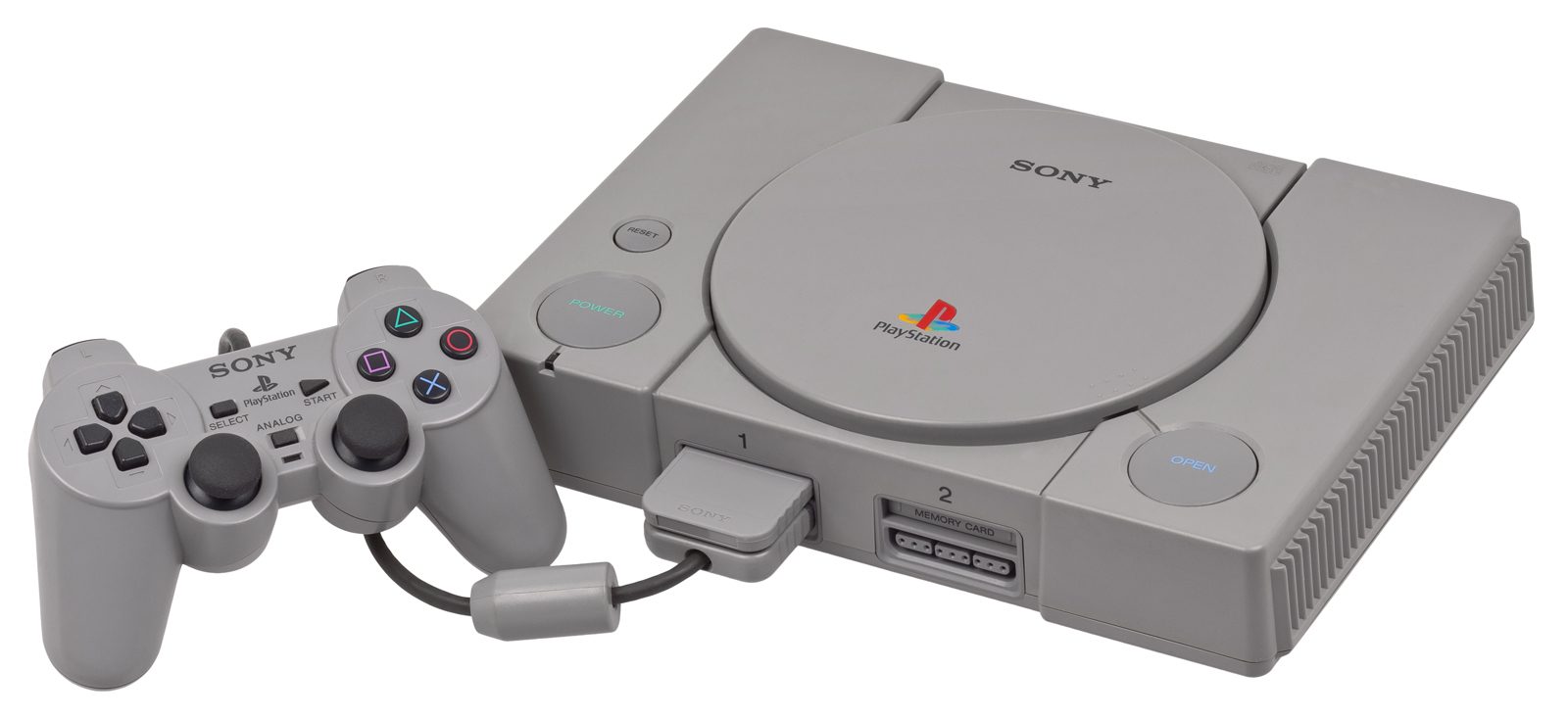
There is another layer of irony to this decision. Sony isn't just another company involved in physical media: it co-developed the Compact Disc alongside Philips in the early 1980s, before helping establish CDs over cartridges with the original PlayStation. Then the PlayStation 2 played a major role in bringing DVDs into millions of homes during the early 2000s, while the PlayStation 3 helped Blu-ray triumph over HD DVD. Three generations of consoles, three major victories for the physical formats championed largely by the Japanese manufacturer. Seeing that very same company officially bring physical media to an end isn't simply a strategic shift—it's a remarkable reversal for a brand that long embodied the culture of tangible game ownership.
A logical decision... but maybe we should take a look at ourselves too
It's difficult to call this outrageous without being honest with ourselves. As abrupt as this announcement may seem, it's ultimately just the culmination of a trend we've collectively encouraged for years. On PC, digital distribution has been the norm for well over a decade thanks to Steam (or because of it, depending on who you ask), which accustomed an entire generation of players to buying games with a single click—no box, no disc, no waiting. On consoles, the PlayStation Store and Xbox Store simply followed that same path, driven by our own appetite for instant gratification: why wait for a store to open or for a package to arrive when you can start playing just five minutes after making your purchase?
Our desire to have everything immediately is also part of the reason we've reached this point. Every digital sale we chose instead of visiting a game store, every digital pre-order instead of buying a physical copy, helped build the world in which Sony can now announce this transition without fearing too much backlash from players. And you know it just as well as I do: a few videos from experts or influencers calling it a scandal won't change anything. The train left the station years ago... and GTA VI certainly won't prove me wrong. The numbers speak for themselves: the vast majority of us have already voted with our wallets.
What we lose when we lose the box
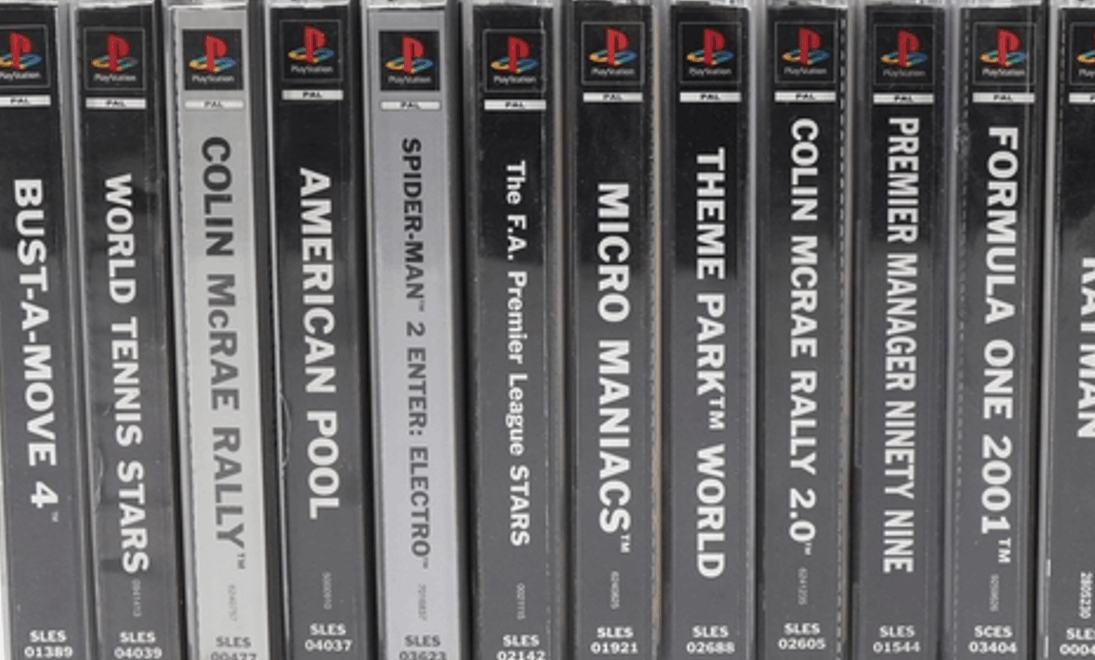
But acknowledging our share of the responsibility shouldn't stop us from recognizing what's really at stake here. Beyond convenience, it's an entire part of our collective gaming memory that's slowly disappearing. The game cover we'd turn over to read the back before even inserting the disc. The instruction manual we'd flip through on the ride home from the store—back when games still came with one. The weight of the case sitting on a shelf, the spine you could instantly recognize among the rest of your collection. All of these things represent a tangible heritage, a physical trace of video game history that goes far beyond a simple consumer product.
How many of you have wandered through a flea market or a second-hand game store, only to spot a game cover you thought you'd completely forgotten, instantly transporting you back to your childhood? That's an experience our children may never have...
That's precisely why places like video game museums, preservation associations, and even emulation projects exist. Discs, cartridges, manuals, and box art aren't just packaging—they're physical witnesses to an entire culture. A digital game can disappear from a storefront overnight. A disc or a cartridge, as long as it survives and there's still a machine capable of reading it, remains tangible proof that a game existed, in a specific form, at a specific moment in time.
So, what now?
This announcement opens a debate that is far from over: how much ownership and cultural memory are we willing to sacrifice for the sake of convenience? The second-hand market, lending games to friends, reselling titles—entire traditions of gaming culture could slowly disappear along with this transition. Now the question is whether Xbox, and to a lesser extent Nintendo, will eventually follow the same path, or whether physical media will continue to survive elsewhere, kept alive by collectors and preservation enthusiasts.
One thing is certain: the more the industry embraces an all-digital future, the more essential preservation and archival initiatives will become in safeguarding our gaming heritage. So what do you think? Is the convenience of instant access worth losing this tangible piece of our history?

Comentarios
Aún no hay comentarios.