Interview with the Nationaal Videogame Museum in the Netherlands: "You don't just look at video game history. You actually play it"
Fri Jul 17 2026
Interview with the Nationaal Videogame Museum in the Netherlands: "You don't just look at video game history. You actually play it"
This is a story of friendship that began a few years ago now. During the RGB JAMMA crowdfunding campaign, we were contacted by the Nationaal Videogame Museum in the Netherlands, which backed the campaign to equip their JAMMA cabinets. A few weeks ago, the museum came back to us through the Recalbox JVS funding campaign to order around ten boards. This support for Recalbox's projects has naturally built a bond, around a shared passion you probably won't have too much trouble guessing… gaming and retrogaming!
"We believe games should be experienced, not just displayed behind glass."
Having the museum choose Recalbox hardware is a true honor, because we're talking about a real museum, recognized and now an institution in its own right. Its preservation mission is top-notch: the museum doesn't just display hardware behind glass, it makes it accessible, playable, and educational.
Sharing this passion, bringing back our old memories as gamers, introducing new generations to what gaming used to be: so many similarities brought us together for an interview with Hasan Tasdemir, aka Psykick, the museum's director, to talk about the museum, gaming, and preservation. Let's get into it!
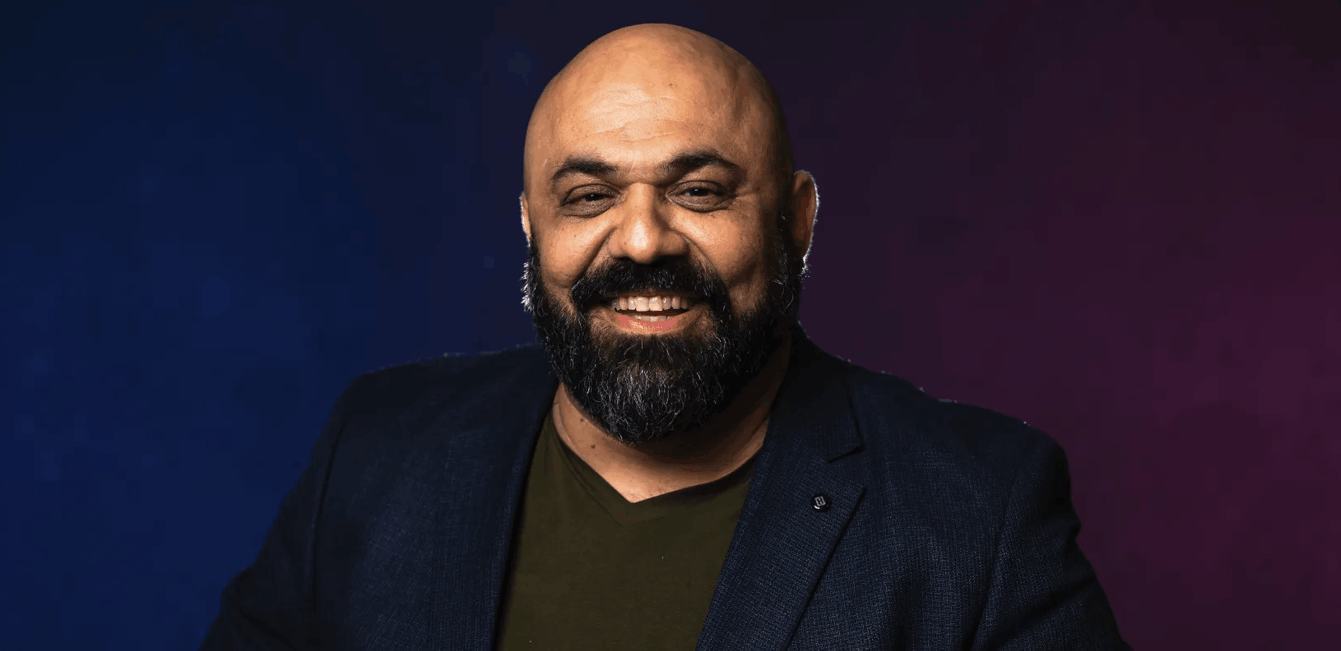
Hasan Tasdemir aka Psykick @Paco-van-Leeuwen-Photography
Hello Hasan, first of all thank you for taking the time to do this interview with us. Let's start simple: could you please give our readers a brief introduction to the museum, the way you'd present it to friends at a party?
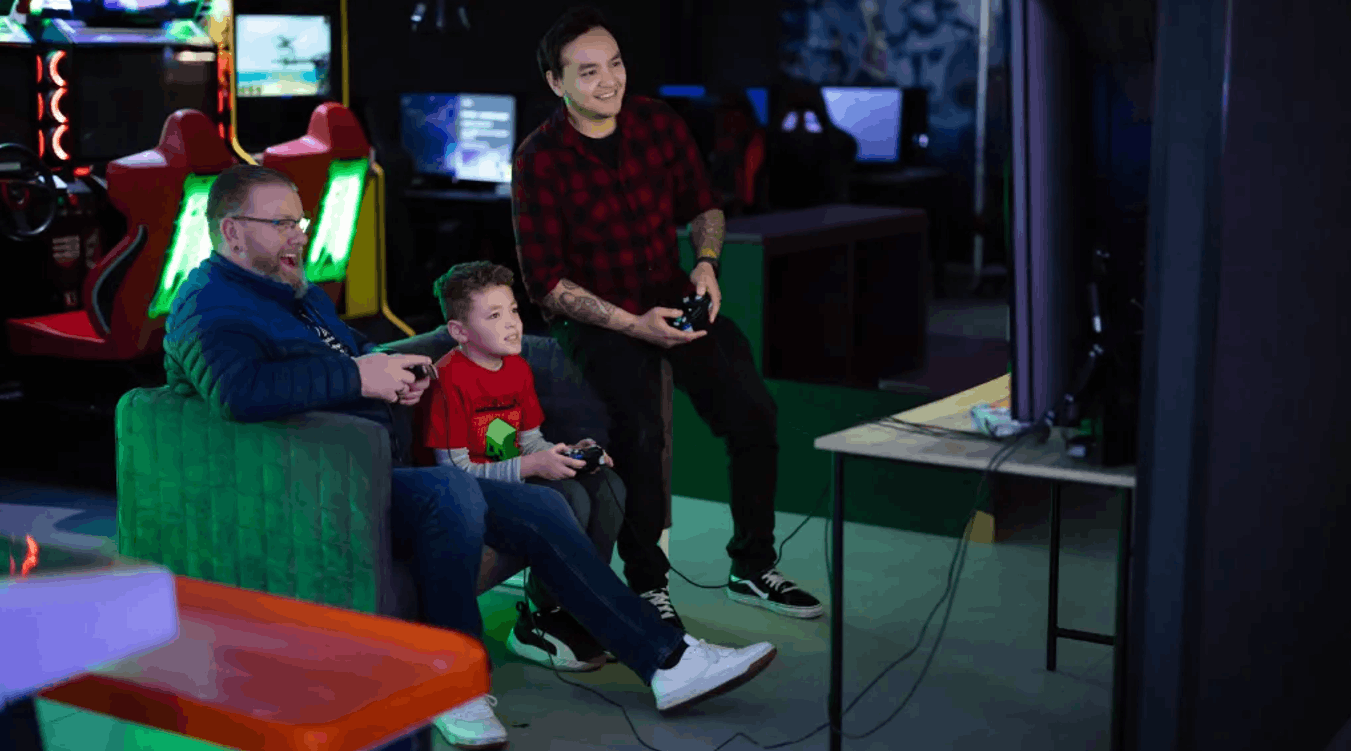
I'd tell them: imagine a place where you don't just look at video game history. You actually play it. That's really what makes us different. The National Videogame Museum is a place where video game history comes alive. Visitors can experience the evolution of gaming, from the earliest arcade machines and home computers to modern consoles and virtual reality. We believe games should be experienced, not just displayed behind glass.
For me, gaming has always been about experiences and memories. I grew up with the earliest home consoles, but it was the arcade that truly captured my imagination. The atmosphere, the competition, the sounds and the cabinets themselves all left a lasting impression on me. That passion never disappeared, and today I have the privilege of sharing it with everyone who walks through our doors.
Whether you're 8 or 80, chances are you'll find something that reminds you why games became such an important part of our culture.
Just to give us an idea, how many machines do you have in the museum (consoles and arcade cabinets)? And could you tell us whether, beyond the museum aspect, there's also an educational side? An associative one?
We have several hundred playable machines in the museum, including arcade cabinets, consoles, handhelds and home computers. The collection continues to grow every year, and not everything we own is on display at once. But we're much more than an exhibition.
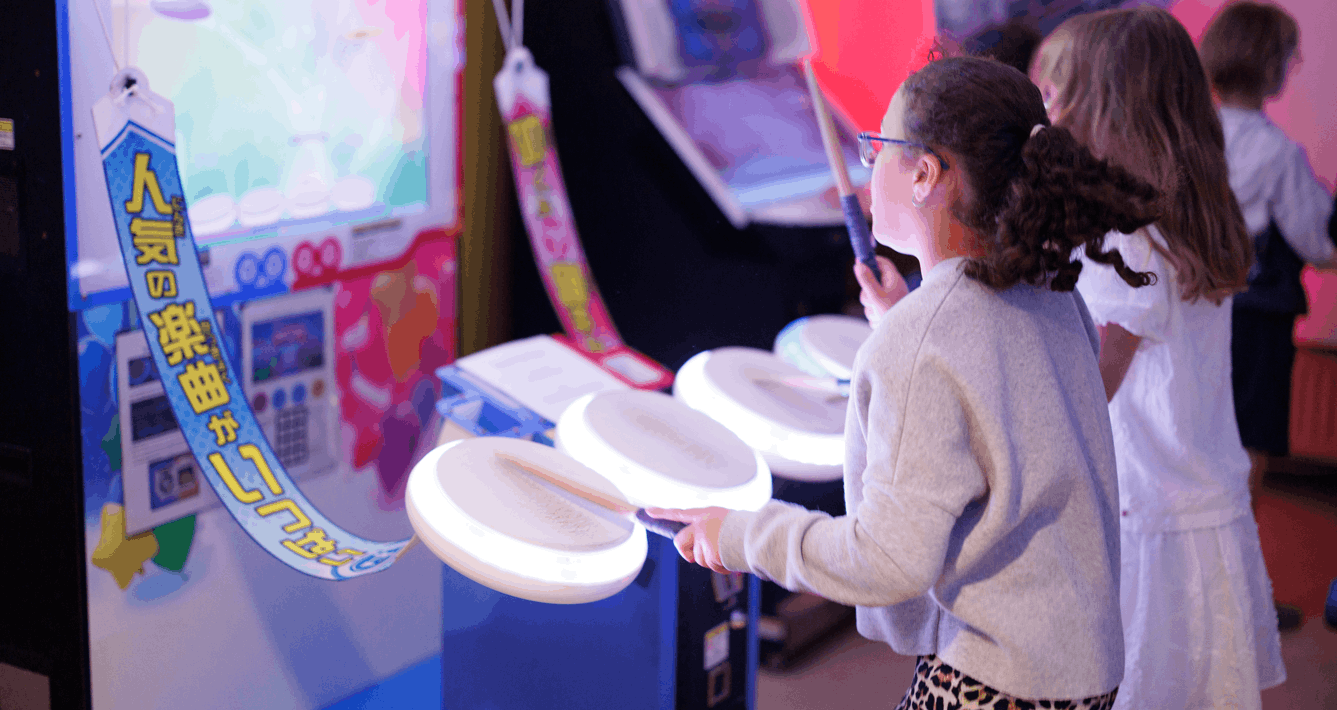
@Caroline_de_Winter
Education is one of our core missions. We explain how games evolved technologically, artistically and culturally. Schools regularly visit us, and we use games to talk about programming, game design, storytelling and digital creativity.
There's also a strong community aspect. Collectors, volunteers, technicians, artists and enthusiasts all contribute. The museum exists because people are passionate about preserving this history together.
How does someone go from being a collector in their garage to running a nationally renowned museum like yours?
I think it starts with curiosity.
Like many collectors, I simply didn't want important pieces of gaming history to disappear. One machine became ten, ten became fifty, and eventually you realize you're preserving something much bigger than a personal collection.
For me, that curiosity was driven by a lifelong passion for games, especially arcade games. I've experienced the evolution of gaming from the earliest home consoles to the golden age of the arcade. At some point you stop thinking only about collecting machines and start thinking about preserving memories and sharing those experiences with others.
"My biggest responsibility isn't adding another cabinet to the collection. It's making sure future generations can experience why these machines mattered."
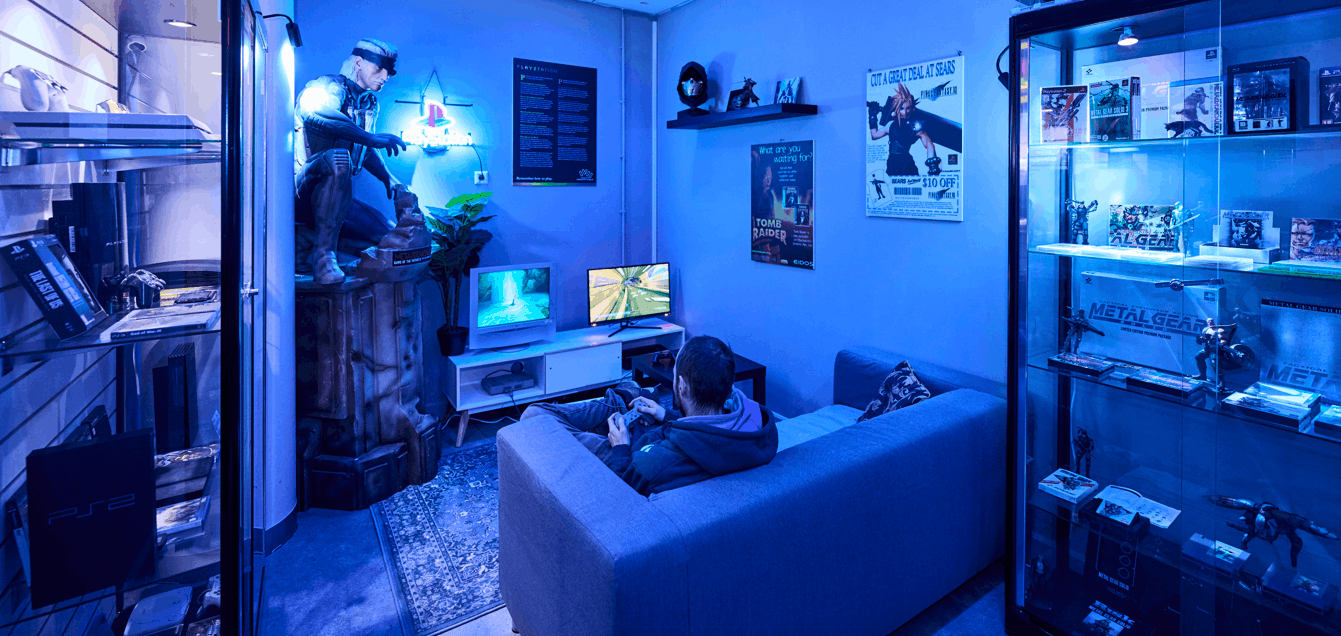
The transition from collector to museum director isn't really about owning more machines. It's about shifting your mindset. Instead of asking, "What do I want to collect?", you start asking, "How can I share this history with everyone?"
Today, my biggest responsibility isn't adding another cabinet to the collection. It's making sure future generations can experience why these machines mattered.
How do you restore and maintain the machines?
With a lot of patience! Arcade hardware was built to survive busy arcades, but after thirty or forty years almost every component will eventually need attention.
"A museum like ours is almost like running a hospital for arcade machines."
We restore cabinets as authentically as possible. That means repairing original CRT monitors, rebuilding power supplies, replacing worn controls, repairing PCBs and sourcing original parts whenever we can. Preventive maintenance is just as important. Every machine is played every day by hundreds of visitors, so we're constantly inspecting, cleaning and repairing.
A museum like ours is almost like running a hospital for arcade machines.
Speaking of maintenance and restoration, let's talk about Recalbox's next piece of hardware, the JVS. You're among the backers, having ordered around ten JVS units. What place does the JVS standard hold in your collection?
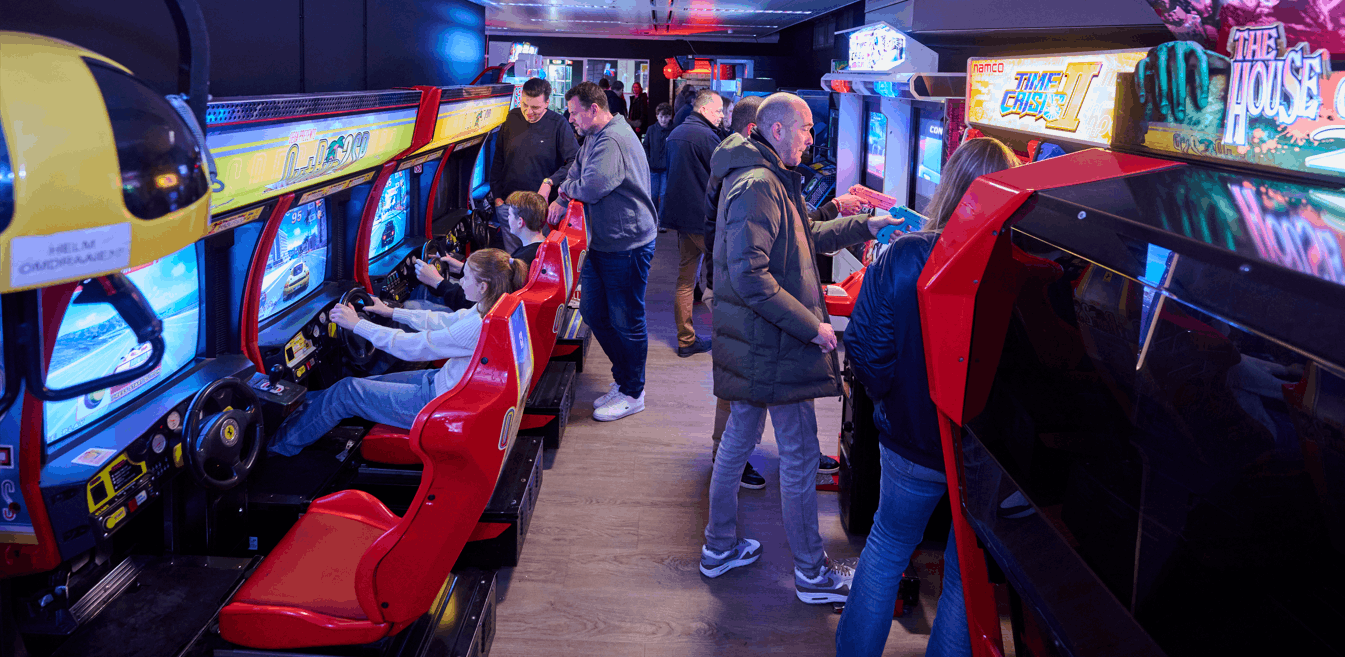
JVS represents an important chapter in arcade history. As manufacturers moved beyond JAMMA, JVS became the standard for a new generation of arcade hardware from companies like Sega, Namco and Taito. Those systems are still incredibly popular with visitors, but maintaining them isn't always straightforward.
That's why projects like Recalbox JVS are so exciting. They don't replace original hardware. They help keep original hardware alive. For a museum, reliability matters enormously. If a machine is down, visitors lose the opportunity to experience it. We're happy to support solutions developed by people who genuinely understand preservation.
You also took part in the RGB JAMMA funding campaign. Can you tell us how you first came across Recalbox, and how this collaboration began?
We first discovered Recalbox through the retro gaming community, and more specifically through a close friend who has been instrumental in our journey from the very beginning. He was also one of the people involved in founding the National Videogame Museum and played a key role in the community that came before it: NeTaXe.
"Recalbox develops solutions that respect original hardware and genuinely support preservation, which aligns perfectly with our own mission."
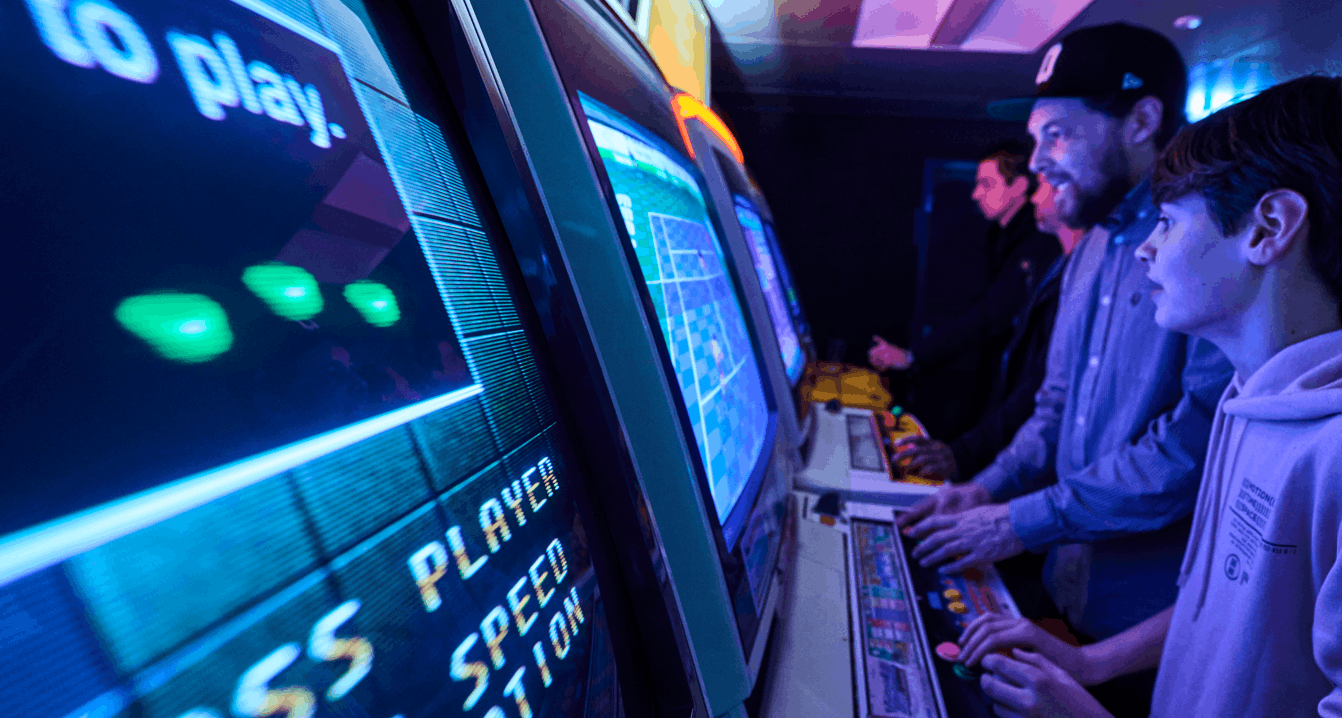
What impressed us wasn't just the products themselves, but the philosophy behind them. Recalbox develops solutions that respect original hardware and genuinely support preservation, which aligns perfectly with our own mission.
The RGB JAMMA project immediately caught our attention because it addressed real challenges that museums, collectors and arcade enthusiasts face every day. Collaborating with people who share the same passion for preserving video game history felt like a very natural step.
How do you see the state of video game preservation in Europe today? There's more and more talk about dematerialization and the loss of original hardware. What's your take on that?
I think awareness has improved tremendously over the last decade. People increasingly recognize that video games deserve the same preservation efforts as films, books or music. At the same time, digital distribution creates new challenges. Physical media disappears. Online services shut down. Games depend on servers that may no longer exist in ten years. That's exactly why preserving original hardware remains so important.
Emulation is an essential tool, but it's not the entire story. The controllers, the CRT displays, the cabinet artwork and the physical experience all form part of our gaming heritage. Ideally, preservation means keeping both the software and the original context alive.
Right around the time of this interview, we learned that Sony will be ending physical media support for PlayStation in 2028. Would you like to comment on this news?
It's understandable from a business perspective. Digital distribution is cheaper, more efficient and reflects how many people already buy their games today.
"Physical games aren't just storage media. They're historical artifacts."
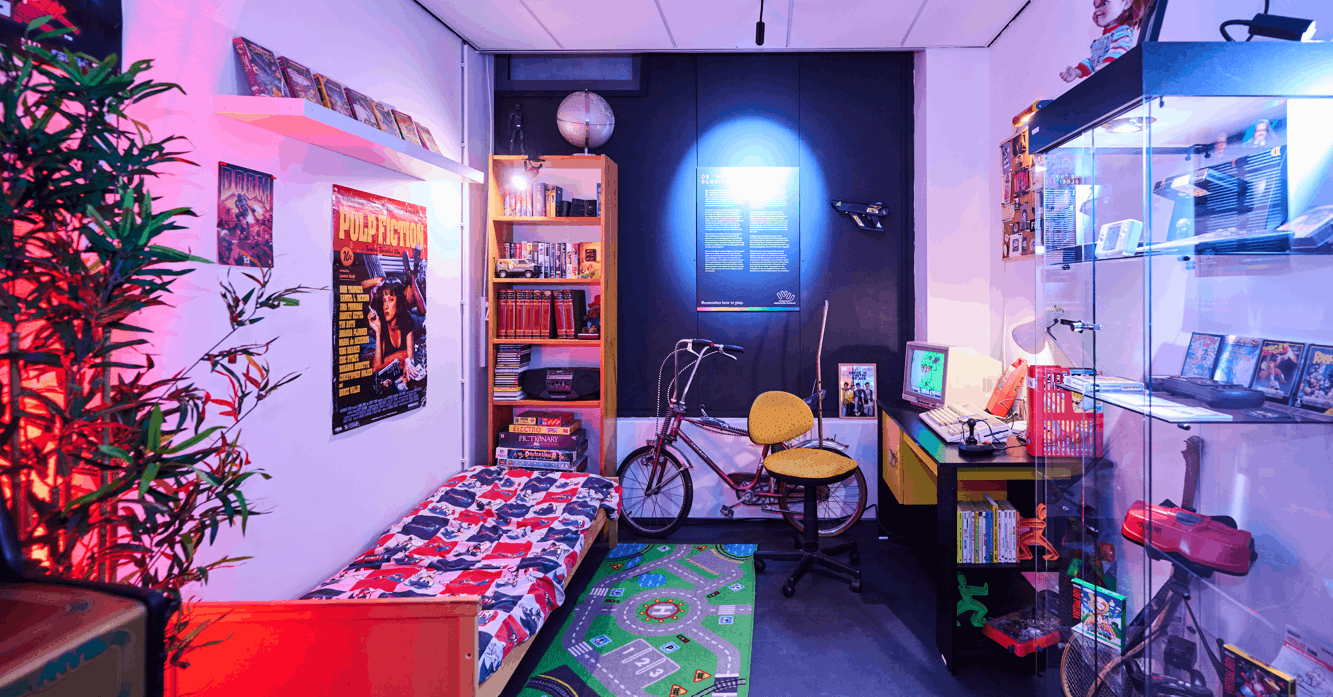
But as someone responsible for preserving gaming history, I also see the other side. Physical games aren't just storage media. They're historical artifacts. The box, the manual, the artwork and even the disc itself tell part of the story. Digital games absolutely deserve preservation too, but they often depend on servers, licenses and online ecosystems that may not exist forever.
That's why museums and preservation initiatives will only become more important in the years ahead. If physical media gradually disappears, we have an even greater responsibility to ensure that future generations can still experience where gaming came from.
At the museum, how do you go about attracting new visitors and winning over younger players? How do you make a sometimes niche passion more mainstream?
The nice thing is that games already speak a universal language. Young visitors may not know Pac-Man or Space Invaders, but once they play them, they immediately understand why they're classics.
We also avoid presenting gaming history as something dusty or nostalgic. Instead, we tell a story. You can literally walk through decades of innovation and discover how one generation of games inspired the next. Families are particularly important to us. It's wonderful when grandparents, parents and children all end up playing together. Suddenly gaming history becomes something shared instead of something old.
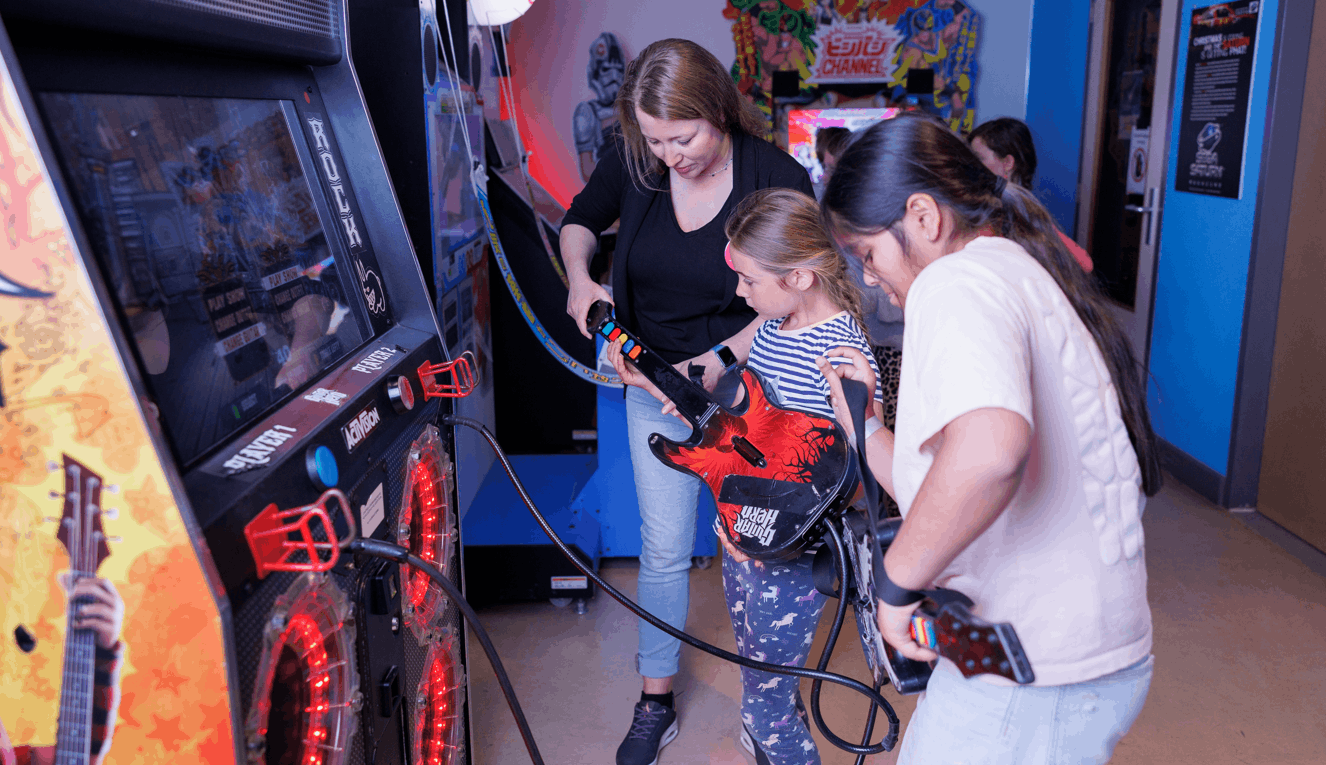
@Caroline_de_Winter
The museum is going through a major transformation, including a recent move. Could you tell us more about this project and about the museum's future?
The move represents an exciting new chapter for us. Whenever a museum relocates, it's an opportunity to rethink everything: the visitor experience, the exhibitions, accessibility and the way we tell our story.
Our ambition isn't simply to become larger, but to become better. We want to preserve more games, create richer exhibitions, welcome more schools and strengthen our position as one of Europe's leading interactive museums dedicated to video game history. The mission stays exactly the same: preserving gaming heritage by letting people experience it firsthand.
Now for something more personal: what's your favorite machine? Let's say your favorite arcade cabinet and your favorite console?
That's always the hardest question!
Arcade gaming has always been my biggest passion. I grew up during the golden age of video games, so I was lucky enough to experience the earliest home consoles as well as the incredible atmosphere of the arcades. Both worlds shaped my love for gaming, but if I had to choose, the arcade will always have a special place in my heart.
My favorite arcade game is Virtua Striker 2. It's easy to pick up, incredibly competitive and brings people together in a way only great arcade games can. Every match creates excitement, whether you're playing against friends or complete strangers.
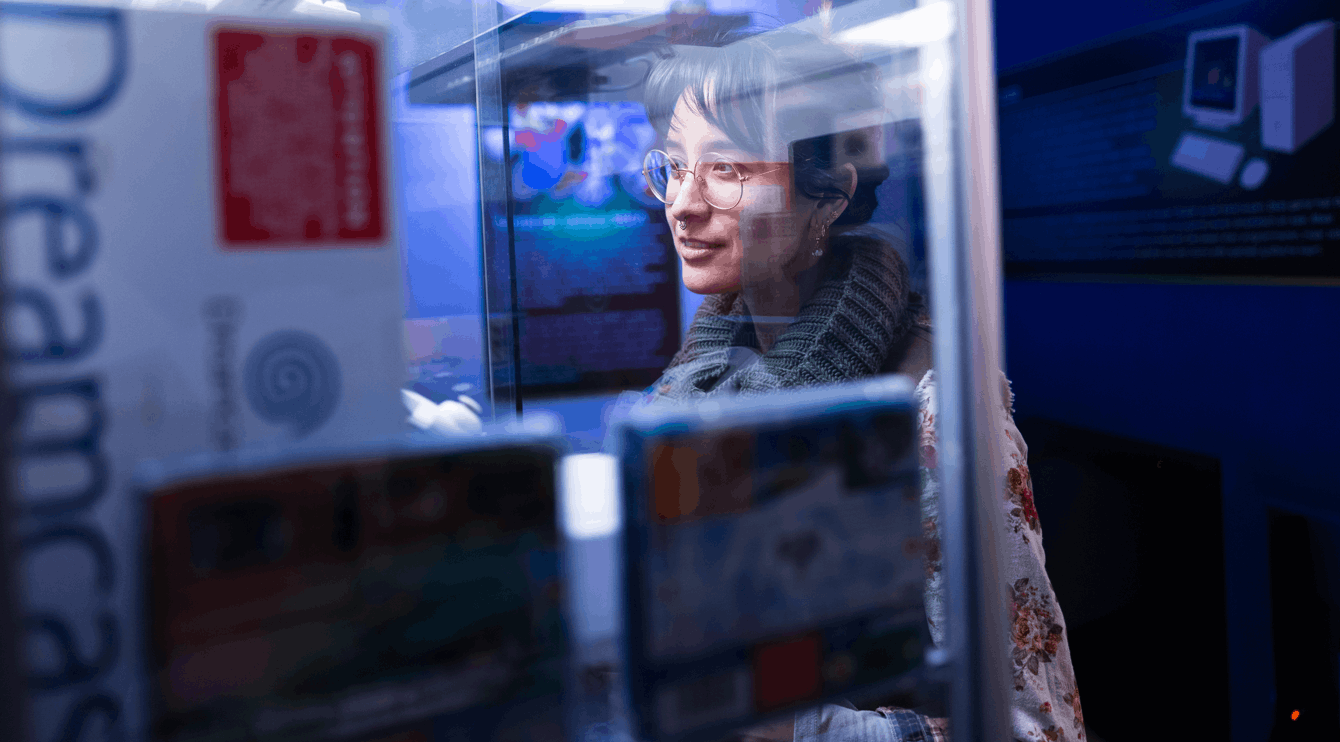
@Caroline_de_Winter
As for consoles, I'd have to choose the Sega Dreamcast. It perfectly bridged the gap between home and arcade gaming. It delivered arcade-quality experiences at home and introduced so many innovative ideas that were ahead of their time. For me, it represents one of the most exciting chapters in video game history. Of course, if you ask me tomorrow, I might give a different answer. That's the beauty of gaming.
To wrap up, if you had one request for digitalLumberjack (editor's note: Recalbox's founder) about a new piece of hardware, a new feature, or both, what would it be?
I would love to see more tools dedicated to preserving complex arcade hardware.
Systems such as Sega Hikaru, Chihiro and Triforce are becoming harder to maintain, yet they represent an essential part of arcade history. The same applies to large racing cabinets with force feedback, motion systems and specialized controls. These machines deliver experiences that cannot be replicated elsewhere, and keeping them operational is a significant challenge.
Preservation is not only about saving games. It is about ensuring that people can continue to experience them as they were originally intended.
Thank you for this interview, thank you for your collaboration with Recalbox, for believing in us and our projects, and above all, thank you for this museum, which proudly champions the preservation of video game heritage and inspires us every single day.
Thank you! That really means a lot.
We're fortunate to be part of a community filled with passionate people who care deeply about preserving video game history. Projects like Recalbox prove that innovation and preservation can go hand in hand.
At the end of the day, we're all working toward the same goal: making sure the games that shaped generations continue to be playable, understandable and inspiring for generations to come. Thank you for helping keep that history alive.
There you have it! Thanks for reading this interview all the way through. There are those moments when you're playing alone in your living room, and there are those moments when you meet people like Psykick and his team, and you realize that when we talk about retrogaming, and when we practice it, we're far from alone in our living rooms — there's a whole community working quietly in the background to help us relive those moments.
If you'd like to learn more about the Nationaal Videogame Museum, head over to their website, and if you're ever passing through the Netherlands, you know what's left to do ;)
Thanks to Eric (NeTaXe), Hasan (Psykick) and digitalLumberjack for making this such an easy exchange.
Photo credits: Caroline_de_Winter, Nationaal Videogame Museum, Paco-van-Leeuwen-Photography

Comments
No comment yet.