Azahar · Nintendo 3DS · Emulation
Azahar 2127.0: the 3DS emulator's biggest update yet reaches release candidate
By LittleG4M3 · 17 November 2026
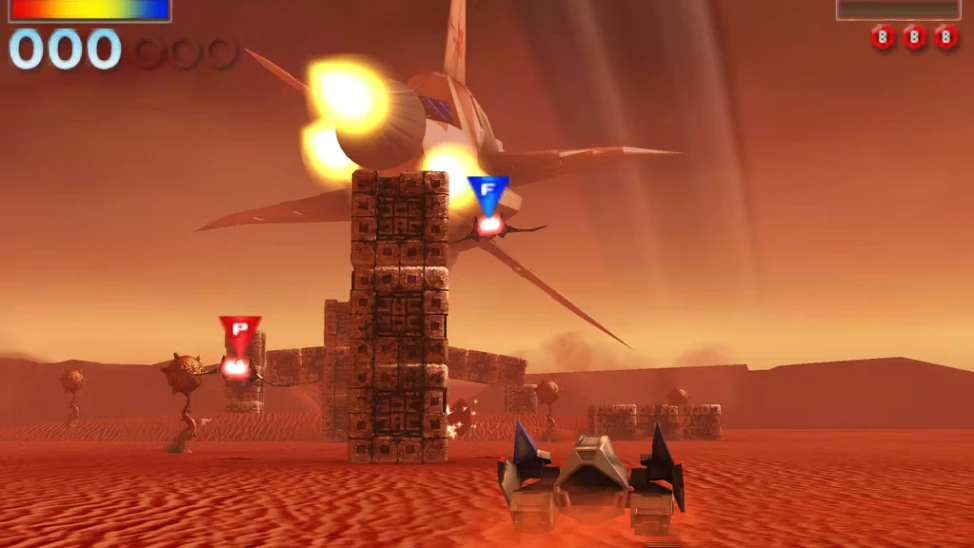
After Citra came to an abrupt halt, Azahar picked up the torch of 3DS emulation. Its team has just published the release candidates of Azahar 2127.0, which it describes as the biggest update in its history: a new all-in-one ROM format, per-game settings on Android, lower latency and better performance, even on iPhone.
A release candidate, not the stable version yet
Azahar 2127.0 took its time: four alpha builds came out between October 10 and November 1, followed by two release candidates on November 6 and a third on November 12. The stable version is therefore not available yet, the latest one still being 2126.2.
If you prefer peace of mind, it is best to wait for the official release. If you enjoy testing, the release candidates can already be downloaded from GitHub. One word of caution: this update invalidates any shader cache already generated, so performance may be a little lower at first, until the cache is rebuilt as you play.
ROM Bundles: the game, its updates and its DLC in a single file
This is the most convenient new feature for everyday use. Until now, enjoying an update or a DLC meant installing it into the emulated 3DS from CIA files. Azahar 2127.0 introduces ROM Bundles (.bcxi, .bcci and .bcia files), which bring together the base game, its updates, its additional content and any required system files, such as Mii data.
No more installing anything into the emulated console, and the library becomes much tidier. Libretro frontends such as RetroArch benefit too, since .bcxi and .bcci files launch there directly with their updates and DLC. Bundles are created from the desktop version (Tools menu, then Create ROM Bundle), but can then be played on every platform.
Faster and more responsive on every platform
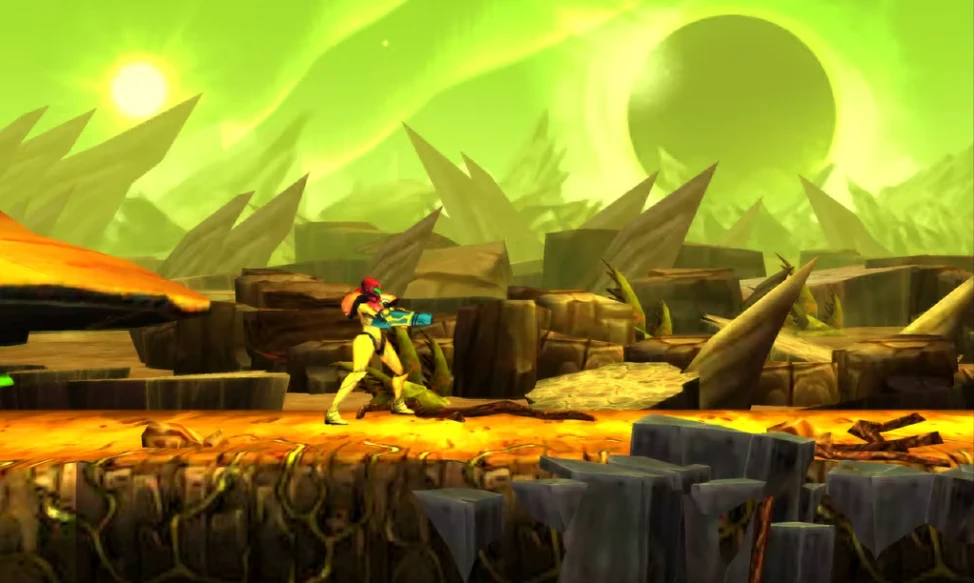
Several sources of audio, video and input latency have been tracked down: according to the team, the gain reaches one to two frames in some cases. Texture handling has also been reworked, bringing better performance in many games. The third release candidate adds a setting, "Limit frames ahead of GPU", disabled by default: turning it on lowers latency further at the cost of some performance, which makes it best suited to the most powerful machines.
The surprise comes from iOS and tvOS. Since Apple does not easily allow just-in-time recompilation (JIT), emulators there have to rely on an interpreter, which is much slower. Azahar replaces its old interpreter with a brand new one called FastInterp, which is far quicker: according to the team, it lets the emulator run on devices as old as the iPhone XS, at speeds above 200%.
Android: per-game settings at last
On Android, the most awaited addition is per-game settings, just like on desktop: a long press on a title in the list lets you give it its own configuration without affecting the others. Azahar now also uses Android's ADPF API, which tells the system about CPU workload spikes, with a performance gain measured at 15% on a device with a Mali GPU.
Another welcome change: custom graphics drivers are no longer limited to Qualcomm's Adreno chips. Finally, quitting a game launched from a home screen shortcut now closes the emulator as well.
Fixes players have been waiting for
The list of fixes is long, and some of them will please players:
- in Shin Megami Tensei IV, the black box that surrounded defeated enemies with the Vulkan renderer is gone;
- New Super Mario Bros. 2 gets its echo effects back with HLE audio, and Shinobi 3D's music no longer stutters;
- texture issues in Minecraft: New Nintendo 3DS Edition are fixed;
- the Taiwanese version of Star Fox 64 3D finally boots.
For the curious, experimental MSAA anti-aliasing makes an appearance, although for now it has to be enabled by hand in the configuration file. A script-controlled free camera is also part of the package.
A licence change
One last point, more discreet but important for the ecosystem: Azahar moves from the GPLv2+ licence to GPLv3+. Projects that reuse its code, of which there are many in emulation, will have to comply.
We will keep a close eye on the stable release, just as we did for PCSX2 2.8.0. And if you are already testing these release candidates, come and share your impressions with the community on our Discord.
Sources: Azahar release notes on GitHub, Android Authority, Notebookcheck. Images: official screenshots from the Azahar project (Flathub).
Enjoying the Recalbox team's work? Support the project by becoming a Patron!